Diabetes: Why Awareness is Key to Preventing Serious Complications
Diabetes is a global health challenge of staggering proportions. Across the world, millions contend with this chronic condition, and in many regions like Brazil, statistics reveal a particularly concerning truth: an estimated 14 million people are affected, yet a shocking half of them remain completely unaware they carry the diagnosis. This stark reality underscores why understanding diabetes – its symptoms, causes, management, and the often-misunderstood concept of "Diabetes Cura" – is not just important, but absolutely vital.
Far from being a mere inconvenience, diabetes, if left unmanaged, can lead to devastating complications that severely impact quality of life and even prove fatal. For many, a diabetes diagnosis can feel like a death sentence, shrouded in fear and misinformation. However, the true power lies in awareness and proactive management, which can transform this perceived sentence into a pathway to a healthy, fulfilling life. The key isn't a magical cure, but consistent, informed care that prevents the disease from silently eroding your health.
Understanding Diabetes: A Silent Threat
Diabetes mellitus is a condition characterized by high blood glucose (sugar) levels, resulting from the body's inability to produce enough insulin, or to effectively use the insulin it produces. Insulin is a hormone critical for allowing glucose to enter cells for energy. Without proper insulin function, glucose accumulates in the bloodstream, leading to a cascade of health problems over time.
Often dubbed a "silent enemy," diabetes frequently presents no alarming symptoms in its early stages. This stealthy progression is precisely why so many individuals remain undiagnosed for years, allowing high blood sugar to wreak havoc on their bodies unnoticed. By the time symptoms become obvious – such as frequent urination, increased thirst, unexplained weight loss, fatigue, blurred vision, or slow-healing sores – significant damage may already be occurring internally. Recognizing the risk factors, which include family history, obesity, an inactive lifestyle, and certain ethnic backgrounds, is the first step in breaking the silence.
The Gravity of Uncontrolled Diabetes: Serious Complications
The long-term consequences of unmanaged diabetes are profound and can affect nearly every major organ system. These complications are not an inevitable part of having diabetes; rather, they are the result of sustained high blood glucose levels damaging blood vessels and nerves throughout the body. Early awareness and diligent management are the most effective shields against their onset.
Among the most serious complications are:
- Cardiovascular Disease: Diabetes significantly increases the risk of heart attack, stroke, and other circulatory problems due to the hardening and narrowing of arteries.
- Kidney Disease (Nephropathy): Damage to the tiny filtering units in the kidneys can lead to chronic kidney disease, requiring dialysis or a kidney transplant in severe cases.
- Nerve Damage (Neuropathy): High blood sugar can injure nerves throughout the body, most commonly affecting the legs and feet. This can lead to numbness, tingling, pain, or weakness. Foot complications, including infections and ulcers, often necessitate amputation if left untreated.
- Eye Damage (Retinopathy): Diabetes can damage the blood vessels in the retina, potentially leading to vision loss and even blindness.
- Foot Complications: Nerve damage and poor blood flow in the feet make them vulnerable to injuries and infections that heal poorly, potentially leading to ulcers and, in severe cases, amputation.
Moreover, medical professionals often speak of "metabolic memory." This concept highlights that even periods of good glucose control may not fully erase the damage incurred during earlier times of poor control. The body "remembers" the stress of high blood sugar, emphasizing the critical importance of consistent, long-term management from the moment of diagnosis.
Navigating the "Diabetes Cura" Question: Management, Not Cure
When individuals hear the term "Diabetes Cura," it often evokes hope for a definitive end to the disease. It's crucial to address this misconception directly: as of now, there is no medical cure for diabetes, whether it's Type 1, Type 2, or gestational. This is a hard truth, but understanding it is fundamental to effective management and preventing unrealistic expectations.
What many might interpret as "cura" is actually highly effective management. For individuals diagnosed with pre-diabetes, or even early Type 2 diabetes, significant lifestyle changes – such as adopting a healthy diet, increasing physical activity, and achieving weight loss – can normalize blood glucose levels. While this is a tremendous achievement and can prevent or delay the progression of the disease, it is not a cure. The underlying predisposition remains, and if healthy habits are abandoned, glucose levels can rise again. This demonstrates the continuous effort required in what we might call effective "Diabetes Cura" through management and prevention.
For those with Type 1 diabetes, which requires lifelong insulin therapy, advances in medical science offer hope for improved quality of life. Techniques like pancreas and/or pancreatic islet cell transplants are being developed and utilized. While these procedures can help the body produce insulin again, they are complex medical interventions that still require lifelong immunosuppression and rigorous periodic monitoring. They represent advanced management strategies, not a cure that eliminates the need for ongoing medical oversight.
The ongoing medical recommendation for all diabetic patients, even those whose glucose levels appear normalized through treatment, is regular, annual examinations. These check-ups are vital for evaluating kidney function, retinal health, blood pressure, and cholesterol levels, ensuring that potential complications are caught and addressed as early as possible.
Empowering Yourself: Awareness, Education, and Proactive Care
Given that a definitive "Diabetes Cura" in the sense of eradication remains elusive, the most powerful tool we possess against the disease and its complications is comprehensive awareness and proactive self-management. This involves more than just understanding the basics; it means taking an active role in your health journey.
Here are actionable steps to empower yourself:
- Know Your Risk: Be aware of your family history and personal risk factors. If you have a family member with diabetes, or if you are overweight/obese and physically inactive, discuss screening with your doctor.
- Recognize Subtle Symptoms: While diabetes is often silent, pay attention to persistent fatigue, increased thirst and hunger, frequent urination, blurred vision, or slow-healing wounds. Do not dismiss these signs.
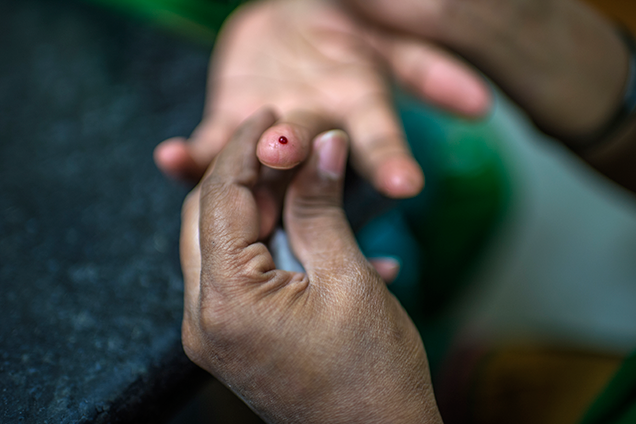
- Prioritize Regular Screenings: If you are at risk or over a certain age, regular blood glucose tests are crucial for early diagnosis. Early detection of pre-diabetes or diabetes allows for timely intervention, potentially averting complications.
- Embrace Lifestyle as Medicine: A balanced diet rich in whole foods, regular physical activity (at least 150 minutes of moderate exercise per week), and maintaining a healthy weight are cornerstones of diabetes prevention and management. These habits are often more potent than any medication.
- Adhere to Treatment Plans: If diagnosed, meticulously follow your doctor's prescribed treatment plan, including medications, insulin, and blood glucose monitoring. Consistency is key.
- Seek Comprehensive Care: Building a team of healthcare professionals—endocrinologists, dietitians, diabetes educators, ophthalmologists, podiatrists, and even mental health specialists—is vital for holistic care. Hospitals and specialized departments, like those at Diabetes Cura Hospitals, offer this comprehensive support, educating patients on their disease and effective complication management.
- Become Your Own Advocate: Educate yourself about your specific type of diabetes, how your medications work, and how lifestyle choices impact your blood sugar. The more you know, the better equipped you are to make informed decisions and partner effectively with your care team. This proactive approach is fundamental to navigating diabetes for a comprehensive and healthy life.
In conclusion, while the search for a definitive "Diabetes Cura" continues in medical research, the most effective "cure" we have today lies in diligent awareness, early detection, patient education, and a committed approach to management. Diabetes need not be a sentence of suffering; with the right information and proactive care, individuals can prevent serious complications and lead full, healthy lives. The power to control diabetes and its impact rests firmly in understanding and action.