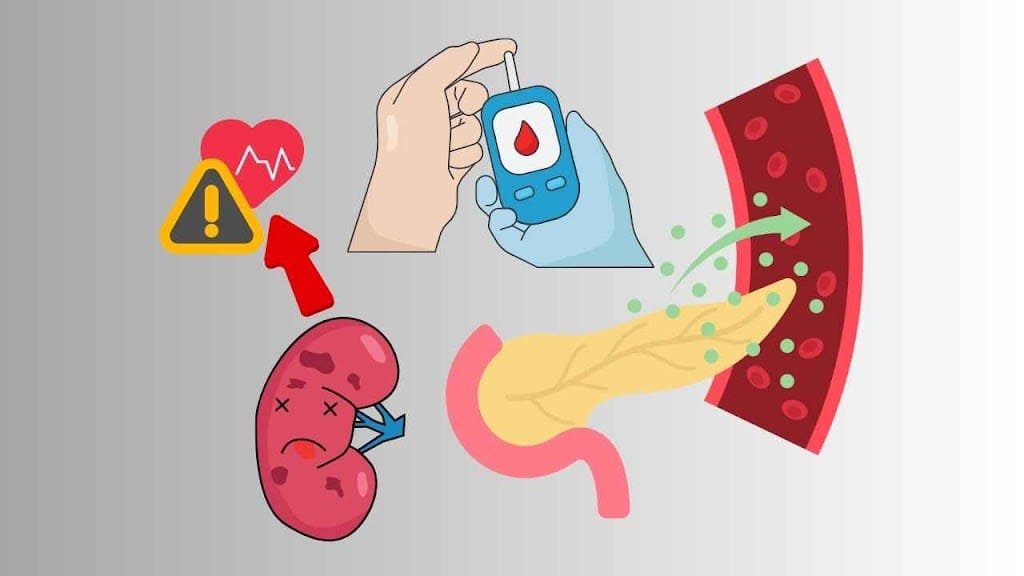
Is There a Cure for Diabetes? Understanding Management & Prevention
Diabetes is a global health challenge, affecting millions worldwide. In many countries, including Brazil, it's startling to learn that a significant portion of those living with diabetes are unaware of their condition. This lack of knowledge often leads to late diagnoses and severe complications, transforming what could be a manageable disease into a life-altering battle. For those newly diagnosed, or for families grappling with the news, the immediate and often overwhelming question is: "Is there a Diabetes Cura?"
This article aims to provide a comprehensive and nuanced answer to that question, moving beyond simple yes or no to explore the realities of diabetes management, the critical role of awareness, and the pathways to living a full and healthy life despite a diagnosis. While the search for a definitive cure continues, understanding effective management and prevention strategies is paramount.
The Global Challenge of Diabetes: A Silent Epidemic
Often referred to as a "silent enemy," diabetes frequently progresses without alarming symptoms in its early stages. This insidious nature means that countless individuals live for years unknowingly, allowing the disease to inflict damage on their bodies. Current statistics paint a sobering picture: millions are affected globally, and a substantial percentage remain undiagnosed. This isn't just a number; it represents lives at risk, facing potential complications that could be avoided with early intervention.
Receiving a diabetes diagnosis can feel like a devastating blow, often perceived as a "death sentence" by patients and their families. This emotional impact stems largely from a lack of accurate information and understanding about the disease. However, it's crucial to recognize that with proper management and education, it is entirely possible to lead a normal, healthy, and fulfilling life. The key lies in understanding the disease, its symptoms, causes, and most importantly, the effective strategies for treatment and healthy living. Diabetes: Why Awareness is Key to Preventing Serious Complications is not just a slogan; it's a fundamental truth for preventing severe outcomes.
Is There a Cure for Diabetes? Unpacking the Truth
Let's address the central question directly: "Is there a Diabetes Cura?" Unfortunately, at present, medical science has not discovered a permanent, universal cure for diabetes. This applies to both Type 1 and Type 2 diabetes.
However, this doesn't mean there's no hope or effective treatment. The distinction lies between a "cure" and "remission" or "effective control."
- Type 2 Diabetes Remission: In some cases, particularly for individuals diagnosed with Type 2 diabetes, significant lifestyle changes—such as adopting a healthy diet, increasing physical activity, and losing weight—can lead to the normalization of blood glucose levels without medication. This state is often referred to as "remission." While incredibly positive, it's not a permanent cure. If old habits return, glucose levels are highly likely to rise again. Therefore, ongoing vigilance and adherence to a healthy lifestyle are essential.
- Pre-diabetes Reversal: For those diagnosed with pre-diabetes, where blood sugar levels are elevated but not yet high enough for a Type 2 diabetes diagnosis, lifestyle modifications can effectively prevent the progression to full-blown diabetes. This is a critical window for intervention and true prevention.
- The Challenge of Metabolic Memory: Even when blood glucose levels normalize for a period, doctors acknowledge a phenomenon called "metabolic memory." This means that the body, having experienced periods of uncontrolled glucose, may still be predisposed to certain complications later on, even after control is re-established. This highlights why consistent, long-term management and regular check-ups are vital, even when numbers look good.
- Advancements for Type 1 Diabetes: For individuals with Type 1 diabetes, where the body's immune system attacks insulin-producing cells, advancements like pancreas and/or pancreatic islet cell transplants offer significant improvements in quality of life by potentially reducing or eliminating the need for external insulin. However, these are complex procedures that come with their own risks and require lifelong immunosuppression and continuous medical follow-up. They are considered advanced treatment options, not a definitive cure, and regular monitoring remains imperative.
The Critical Importance of Comprehensive Diabetes Management
Since a permanent Diabetes Cura remains elusive, the focus shifts to comprehensive and proactive management. This approach is not merely about surviving with diabetes but thriving. Effective management aims to control blood glucose levels, prevent or delay complications, and ensure a high quality of life. The department at Diabetes Cura Hospitals, for example, exemplifies this commitment, offering both inpatient and outpatient services and clinical facilities for all types of endocrine disorders. Their team provides holistic care and empowers patients through education regarding their disease and the management of its potential complications.
The stakes of inadequate management are incredibly high. Uncontrolled diabetes can lead to severe and irreversible sequelae, including:
- Amputation: Due to nerve damage and poor circulation in the limbs.
- Vision Loss: Diabetic retinopathy can lead to blindness.
- Kidney Failure: Requiring dialysis or kidney transplant.
- Cardiovascular Events: Increased risk of heart attack and stroke.
- Neuropathy: Nerve damage causing pain, numbness, or digestive issues.
These serious outcomes underscore why early detection and consistent, proper treatment are paramount. Patients often suffer far more from the complications themselves than from the initial diagnosis of diabetes. Comprehensive care involves a multidisciplinary team, typically including endocrinologists, dietitians, nurse educators, ophthalmologists, and podiatrists, all working together to support the patient.
Key components of comprehensive diabetes management include:
- Medication Adherence: Taking prescribed insulin or oral medications consistently.
- Dietary Management: Adopting a balanced eating plan tailored to individual needs.
- Regular Physical Activity: Incorporating exercise into daily routines.
- Blood Glucose Monitoring: Routinely checking blood sugar levels to make informed decisions.
- Preventive Screenings: Annual check-ups for kidney function, eye health, blood pressure, and cholesterol levels are critical, even if glucose levels are stable, due to the "metabolic memory" effect.
- Education and Awareness: Understanding the disease empowers patients to take an active role in their care.
For more insights into navigating this journey, consider reading Navigating Diabetes: Comprehensive Care for a Healthy Life.
Living Well with Diabetes: Prevention and Proactive Health
While the quest for a definitive Diabetes Cura continues, the focus for millions worldwide is on living well with the condition. This means embracing a proactive approach to health that emphasizes prevention, diligent management, and a commitment to a healthy lifestyle. For those at risk of Type 2 diabetes, or those with pre-diabetes, prevention is not just possible, it's highly effective.
Practical steps for prevention and living well include:
- Balanced Nutrition: Prioritize whole foods, lean proteins, fiber-rich fruits and vegetables, and limit processed foods, sugary drinks, and unhealthy fats. Working with a registered dietitian can provide personalized guidance.
- Regular Exercise: Aim for at least 150 minutes of moderate-intensity aerobic activity per week, coupled with strength training a couple of times a week. This helps improve insulin sensitivity and manage weight.
- Weight Management: Maintaining a healthy weight is one of the most powerful tools against Type 2 diabetes and can significantly improve outcomes for those already diagnosed.
- Stress Management: Chronic stress can impact blood sugar levels. Incorporate stress-reducing activities like meditation, yoga, or hobbies into your routine.
- Adequate Sleep: Poor sleep patterns can affect insulin sensitivity and hormone regulation. Aim for 7-9 hours of quality sleep per night.
- Regular Medical Check-ups: Don't wait for symptoms. Regular visits to your doctor can help detect diabetes or pre-diabetes early and monitor existing conditions.
Empowerment through knowledge and self-care transforms the narrative around diabetes from one of a "sentence" to one of manageable health. With the right support system and commitment, individuals can not only control their glucose levels but also prevent or mitigate complications, ensuring they continue to enjoy a vibrant and active life.
Conclusion
The honest answer to the question, "Is there a Diabetes Cura?", is currently no. However, this truth should not be a source of despair but rather a catalyst for empowerment. While a cure remains elusive, significant advancements in medicine, combined with a profound understanding of the disease, mean that diabetes is a highly manageable condition.
The real power lies in awareness, early detection, and comprehensive, proactive management. By understanding the "silent enemy," embracing healthy lifestyle choices, and diligently adhering to medical advice, individuals with diabetes can avoid severe complications and lead full, healthy lives. The journey with diabetes is ongoing, requiring continuous vigilance and care, but it is a journey that, with the right support and information, can be navigated successfully and with optimism.